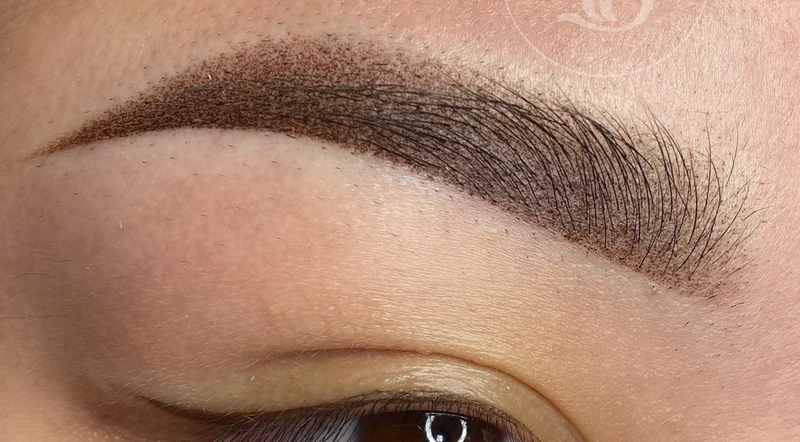
How Long Do Ombre Brows Last?
Ombre brows are one of the most requested permanent makeup treatments today - and for good reason. They deliver a soft, powdery finish that mimics the look of filled-in brows without the daily effort. But one of the most common questions clients ask before booking is: how long will they actually last?
The honest answer: ombre brows typically last between 2 to 3 years, but there is a wide range depending on several important factors. Let's break them down.
The Average Lifespan of Ombre Brows
Most clients enjoy beautiful, defined ombre brows for 2 to 3 years before the pigment fades to the point where a full color refresh is needed. Some clients - especially those with drier skin and diligent aftercare - can go closer to 3 years. Others may see noticeable fading within 12 to 18 months.
Unlike microblading, which uses hair-stroke cuts into the skin, ombre brows are applied with a shading technique that deposits pigment more evenly into the upper layers of the dermis. This makes them generally longer-lasting than microblading, especially on oily or combination skin.
Factors That Affect How Long Ombre Brows Last
1. Skin Type
Skin type is one of the biggest variables in how long pigment retains:
- Dry skin tends to hold pigment longest, often reaching the 2.5 to 3-year mark.
- Normal skin typically falls in the 2 to 2.5-year range.
- Oily skin produces more sebum, which can break down pigment faster. Clients with oily skin may need a refresh closer to 12 to 18 months.
- Combination skin varies depending on the oiliness of the brow area specifically.
During your consultation, it is important to assess your client's skin type honestly and set expectations accordingly.
2. Sun Exposure
UV rays are one of the fastest ways to fade permanent makeup. Clients who spend a lot of time outdoors - especially without SPF on the brow area - will notice their ombre brows fading significantly faster. Sun exposure breaks down the pigment particles over time, causing the color to lighten and sometimes shift in tone.
Recommendation for clients: Apply a broad-spectrum SPF 30 or higher around the brow area daily, especially in summer or in high-altitude environments.
3. Skincare Products and Treatments
Certain skincare ingredients are known to accelerate pigment fading:
- Retinol and retinoids (vitamin A derivatives) increase cell turnover, which pushes pigment out of the skin faster.
- AHAs and BHAs (glycolic acid, lactic acid, salicylic acid) have a similar exfoliating effect.
- Vitamin C serums used directly over the brow area can lighten pigment.
- Chemical peels and laser treatments can dramatically fade or distort permanent makeup pigment.
Clients on prescription retinoids or who undergo regular professional chemical exfoliation should be counseled that their brows may fade faster than average.
4. Aftercare in the First Two Weeks
The healing period immediately after the procedure is critical. Proper aftercare during the first 10 to 14 days directly determines how much pigment is retained long-term.
Poor aftercare - including picking scabs, getting brows wet too soon, applying the wrong products, or excessive sweating - can cause significant pigment loss before the brows even finish healing.
Key aftercare reminders:
- Avoid getting brows wet for the first 7 to 10 days (depending on your protocol).
- Do not pick, peel, or scratch the treated area.
- Avoid heavy exercise and sweating during the healing phase.
- Apply only the recommended aftercare ointment - nothing else on the brows.
A client who follows aftercare perfectly will retain significantly more pigment than one who does not, which directly affects how long their brows last.
5. The Touch-Up Appointment
The 6 to 8-week touch-up (also called the perfecting session) is not optional - it is an essential part of the process. During the first healing phase, it is normal to lose 20 to 40% of pigment. The touch-up session replenishes what was lost, corrects any uneven areas, and adds density where needed.
Clients who skip their touch-up appointment will almost always be disappointed with longevity and results. Always communicate clearly that the touch-up is included and necessary for the final outcome.
6. Metabolism and Immune System
Some clients simply metabolize pigment faster than others. Clients who are very athletic (high-intensity training, frequent sweating), those with faster metabolisms, or those with certain health conditions may notice their brows fade more quickly. This is a biological variable that is difficult to predict, but worth discussing during consultation.
7. Pigment Color and Depth
Lighter pigment shades, such as soft blondes and ash browns, tend to fade faster than darker shades. This is because lighter pigments have less color density to begin with. Clients who choose a lighter, more natural tone should be prepared for slightly more frequent touch-ups than clients who go darker.
The depth of implantation also matters - pigment placed too superficially will fade very quickly, while pigment placed at the correct depth will retain color for years.
When Is It Time for a Refresh?
There is no fixed rule - it is about how the brows look and how the client feels about them. Signs that it is time to book a color refresh include:
- The brows have visibly faded and lost their definition.
- The color has shifted (often to a warmer, reddish, or ashy tone).
- The client feels their brows no longer match their hair color or preferences.
- The shape no longer flatters the face due to significant fading in specific areas.
Most clients come back for annual or biennial color refreshes to maintain the look they love. This is shorter than the initial two-session process and requires less pigment overall since there is an existing base.
Ombre Brows vs. Nano Brows: Which Lasts Longer?
This is a question that comes up often when clients are deciding between the two techniques.
Nano brows use a digital machine with a single ultra-fine needle to create hair-stroke patterns that mimic natural brow hairs. Because the needle penetrates with precise, controlled pressure, nano brows tend to retain pigment very well - often lasting 2 to 3 years, sometimes longer on the right skin type.
Ombre brows use a shading technique across a broader area. On most skin types, especially oily or combination skin, ombre brows often outlast microblading and are comparable in longevity to nano brows. The powdery finish is also more forgiving as it fades - the brows gradually soften rather than disappearing in patches.
For oily skin clients, ombre or a nano-ombre combination is typically the superior long-term choice.
The Bottom Line
Ombre brows are a long-lasting investment that most clients will enjoy for 2 to 3 years with proper care. The key variables - skin type, sun exposure, skincare habits, and aftercare - are all factors you can educate your clients on from day one.
Setting clear, realistic expectations before the appointment leads to happier clients, better reviews, and more referrals. Make the longevity conversation a standard part of every consultation.